Commercial Flood Damage Cleanup in Eagle Trace, IN
Category 3 floodwater handled with containment and protective gear in Eagle Trace commercial buildings, then dried to measured readings.
Eagle Trace Water Restoration handles Commercial Flood Damage Cleanup for Eagle Trace, IN homeowners: emergency dispatch around the clock, IICRC certified technicians, and insurance coordination on approved claims. Call (463) 223-3831.
- Service: Commercial Flood Damage Cleanup for Eagle Trace homeowners
- Service area: Eagle Trace, IN and surrounding areas
- Response time: Rapid emergency dispatch for Eagle Trace inquiries; crews available 24/7
- Licensed and insured (License #RC21100059)
- Serving Eagle Trace, IN since 2018
Commercial Flood Cleanup in Eagle Trace
We handle commercial flood cleanup across Eagle Trace, and we'll start with the areas your business needs back first.
Flood Exposure Here
Slow draining clay soil can hold floodwater against foundations and lower levels. Your building's own flood exposure gets mapped when we walk the site with your facilities contact.
Our flood crews work commercial sites throughout Eagle Trace, including the blocks around the Greenwood City Center and Greenwood Park Mall. We also handle commercial flood cleanup in Southport, New Whiteland, Bargersville and Indianapolis.
Commercial Flood Damage Cleanup for Eagle Trace Businesses
Floodwater leaves a layer behind when it drops. Silt works into carpet tile seams and trench drains, and the film it leaves on the slab holds moisture long after the standing water is gone. Eagle Trace Water Restoration removes mud and silt from commercial buildings in Eagle Trace before drying equipment goes in, since equipment can't dry what's buried under it.
The file Eagle Trace Water Restoration builds on a commercial flood loss runs to photographs by area and phase, readings by location and material, equipment hours by room and a contents inventory. It's organized so you, ownership or a commercial adjuster can find any piece of it without calling the office. You get the whole thing for your Eagle Trace property.
Containment goes up where the work area has to be separated from space that's still occupied. Poly barriers, zippered entries, pressure differentials, and negative air machines with HEPA filtration keep dust and contaminated air inside the work zone. On a multitenant building each suite gets its own boundary and its own moisture record, so one tenant's drying progress never gets inferred from the suite next door.
Keep receipts for costs you pay yourself while the building is down, such as temporary lighting or after hours security. Some policies include extra expense coverage and others leave it out, so ask your agent which applies to your Eagle Trace property. The daily log shows how long each zone stayed in active work and when it was released, which matches the dates on those receipts.
Call Eagle Trace Water Restoration and tell the dispatcher where the water came from and how deep it stands. Add the wet square footage and whether a lower level took water, and the crew can plan the pump and extraction equipment for your Eagle Trace property before it leaves.
Signs You Need Commercial Flood Damage Cleanup
If you notice any of these in your Eagle Trace building, schedule a free inspection before the issue worsens.
Dried silt leaving gray dust on shelving and walls once the floor surface dries
Stored files and inventory that sat in floodwater on the bottom shelf or floor
Water standing in the elevator pit, or a sump or pit alarm that keeps calling in overnight
Wet insulation hanging out of a wall cavity after floodwater passed through
Carpet squishing underfoot in an entry lobby after a heavy rain
An adjuster or lender asking for moisture readings and photographs of the flood damage
Visible water or damp conduit inside an electrical room, or a panel with moisture at the base
An expansion joint or control joint in the slab weeping water or staying dark for days
Carpet tile squares curling at the edges or lifting at the corners across an open office area
Water staining on stairwell walls or landings leading down to a basement or garage level
How Eagle Trace Water Restoration Handles Commercial Flood Damage Cleanup
We follow these steps in order on every Eagle Trace job.
Two Hour Dispatch
Eagle Trace Water Restoration dispatches a commercial crew to the property within two hours of the call, day or night. The truck arrives loaded with submersible and trash pumps, truck mounted extraction, dehumidification, air movers, moisture instruments, and containment material for the square footage reported on the phone.
High Volume Pumping
Submersible and trash pumps move standing water to an approved discharge point while the crew monitors depth against the floor assembly underneath. Pump capacity gets matched to the volume in the building, so a loading dock or a below grade level drains in hours.
Mapping the Wet Area
Thermal imaging and penetrating meters survey every affected area, including the slab, wall cavities, ceiling plenums, and anything below grade. The wet boundary gets marked on a floor plan, so the drying scope matches the real footprint of the water and a carrier can follow why each area was treated.
Content Pack Out
Fixtures, records, equipment and stock come off the wet slab and get listed by item and condition. Anything needing controlled conditions goes to climate controlled storage under a numbered list, so what left the building is documented before it moves anywhere.
Phased Section Release
Areas that reach dry standard get released back to use while the crew keeps working sections that still hold moisture. Each release carries the readings for that zone, which lets the property come back in pieces as the building and your own occupancy requirements allow.
Commercial Flood Damage Cleanup in Eagle Trace
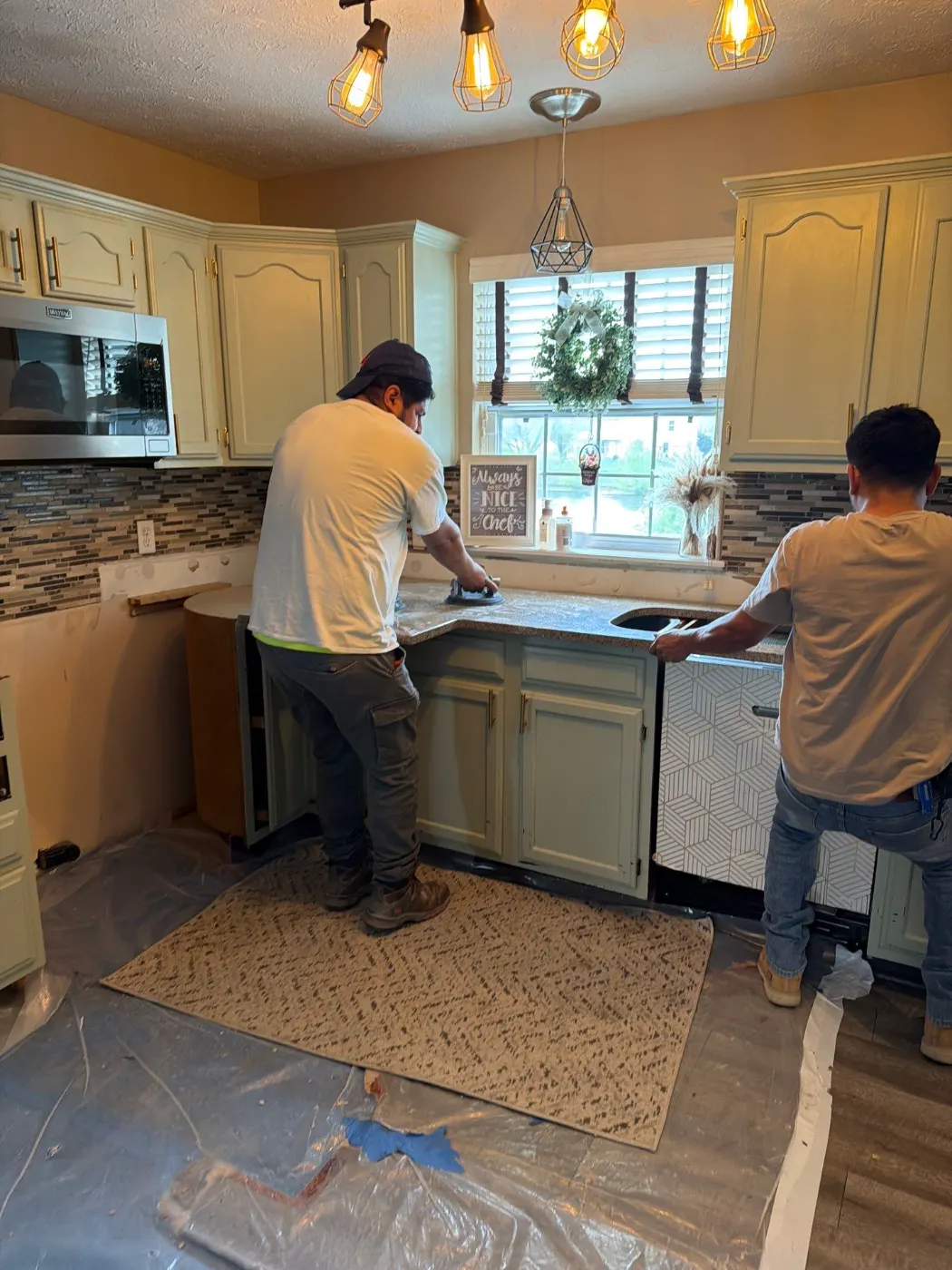
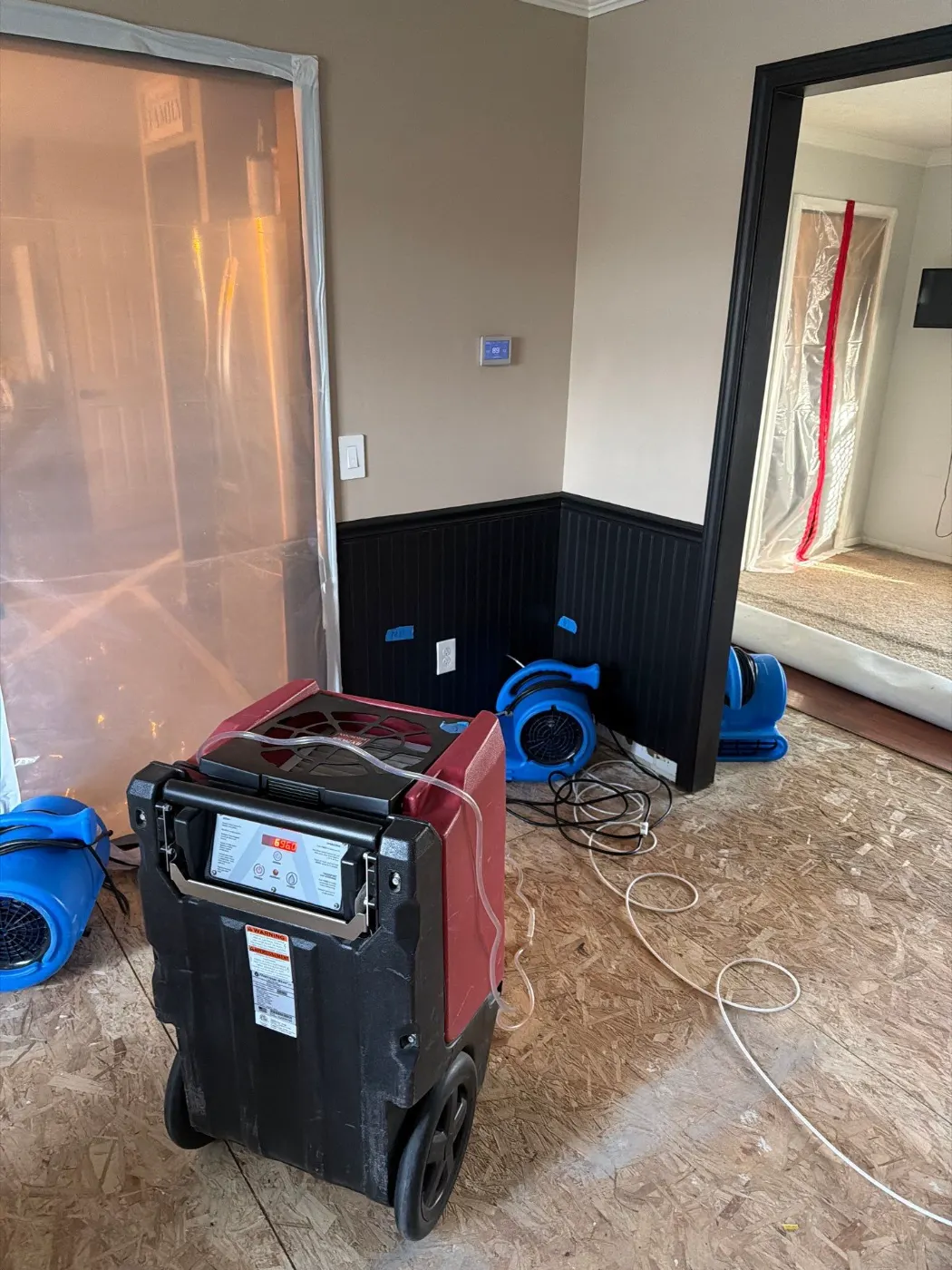
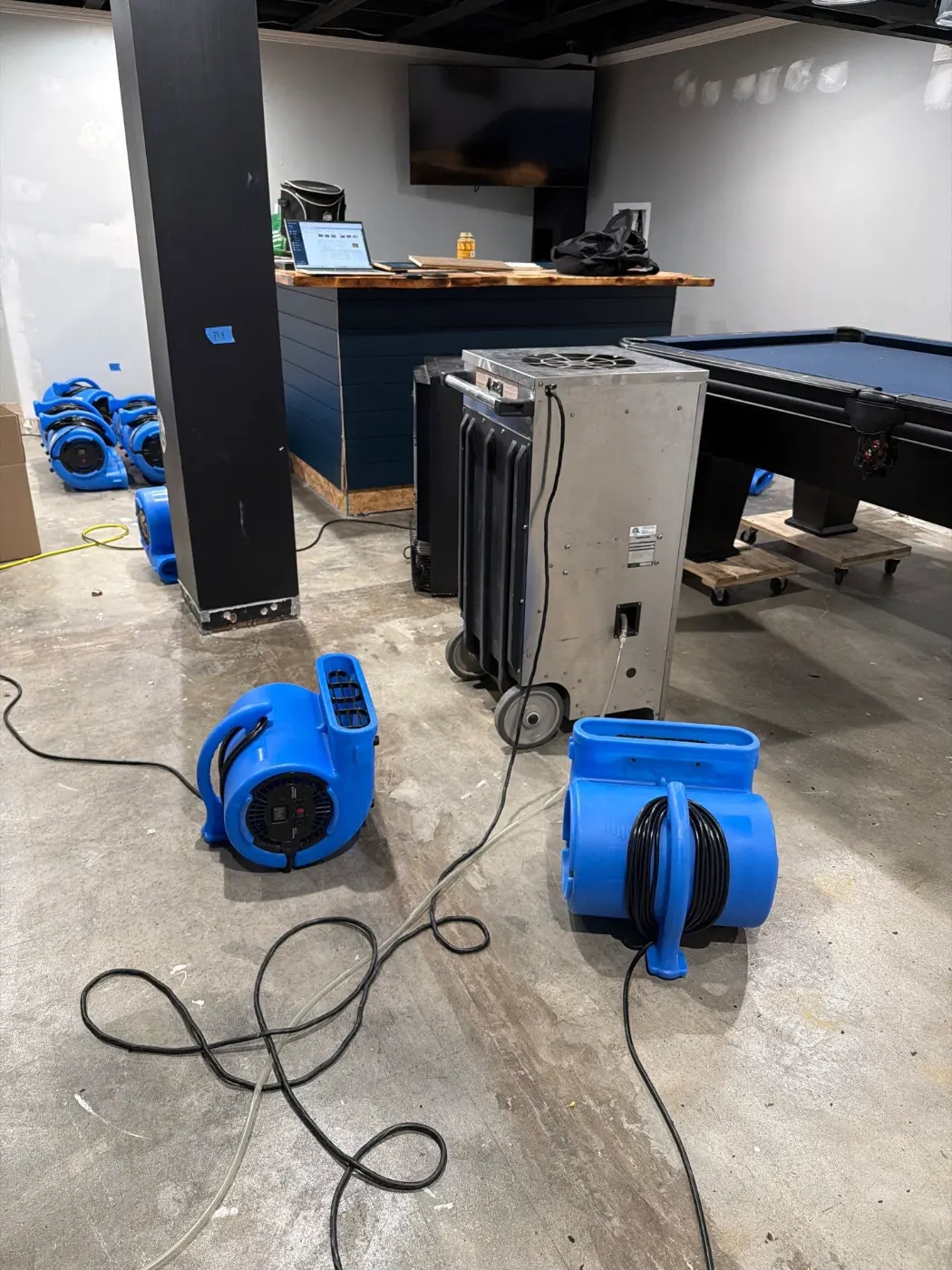
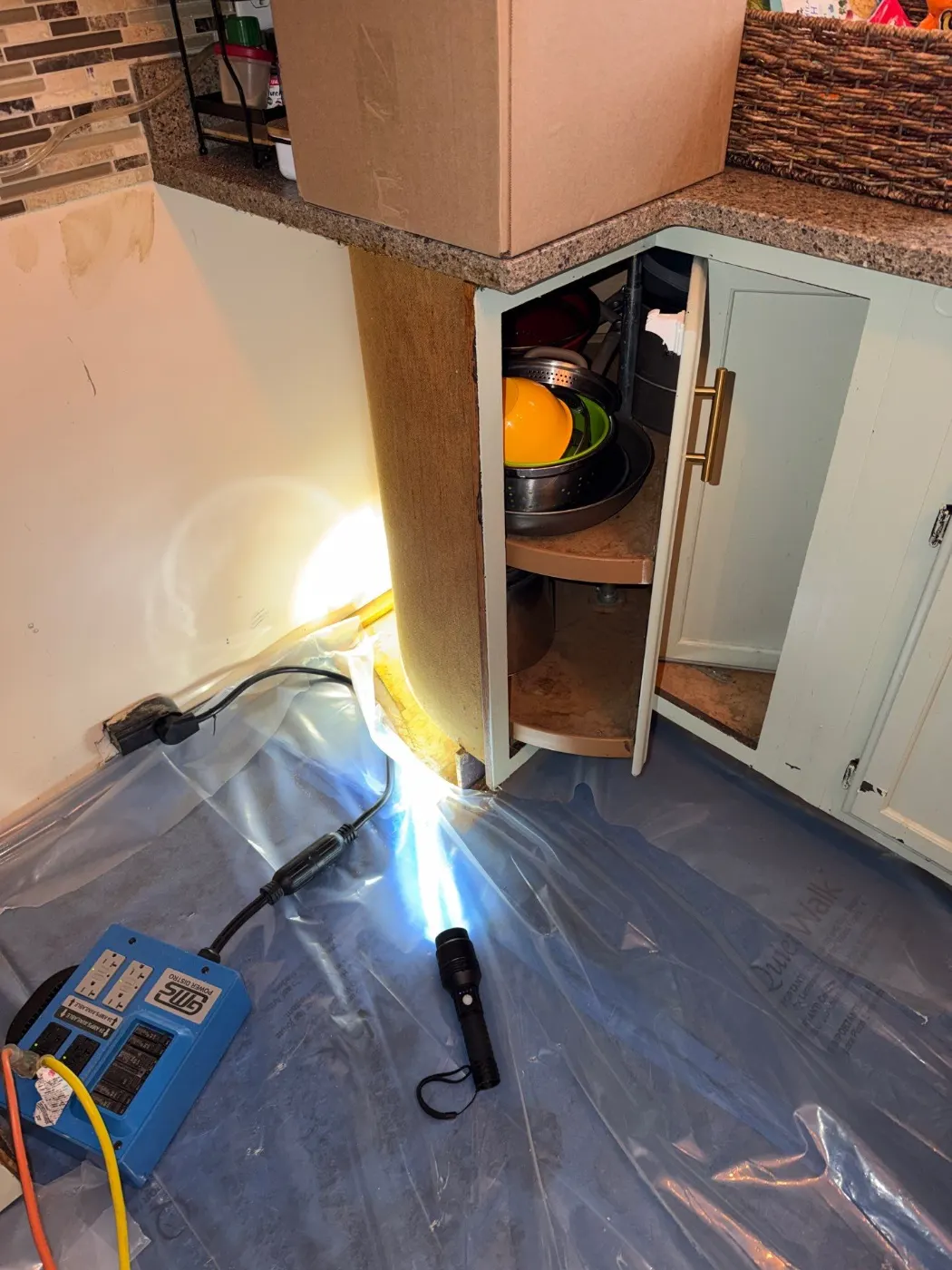
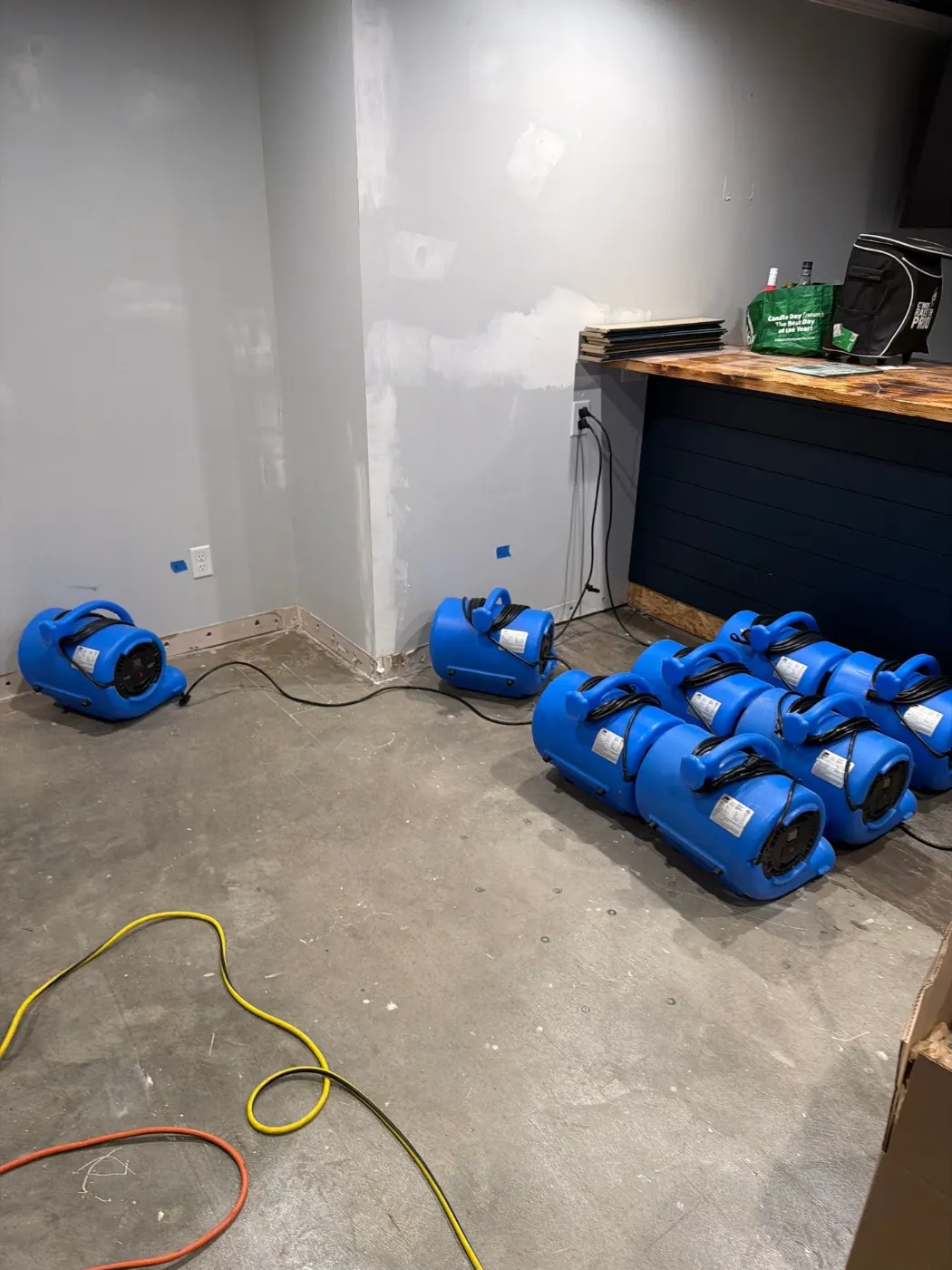
Photographs from real commercial flood damage cleanup jobs completed by our crew in Eagle Trace and surrounding areas.
Commercial Flood Damage Cleanup FAQ
Questions Eagle Trace property managers ask us about commercial flood damage cleanup.
Guidance and Standards for Commercial Flood Damage Cleanup
- The ANSI/IICRC S500 is the published standard for professional water damage restoration. The current edition is the Fifth Edition, 2021. IICRC S500 Standard
- EPA advises drying water damaged areas and items within 24 to 48 hours to prevent mold growth. EPA: A Brief Guide to Mold, Moisture and Your Home
Eagle Trace Neighborhoods We Serve
We take commercial flood damage cleanup calls in every part of Eagle Trace. Pick your neighborhood for local details.
Other Restoration Services in Eagle Trace
Eagle Trace Water Restoration handles the full scope of restoration work. Explore our other services below.
Water Damage Restoration in Eagle Trace
24/7 emergency response. IICRC certified water restoration from extraction to full dry out.
Learn more →Basement Flooding in Eagle Trace
Basement water emergencies handled fast. Extraction, drying, mold prevention.
Learn more →Sewage Cleanup in Eagle Trace
Category 3 biohazard cleanup. Full containment, decontamination, structural restoration.
Learn more →Request Commercial Flood Damage Cleanup
Reach Us Directly
Our team is available 24/7 for emergencies and ready to schedule inspections during business hours.
Need Immediate Help?
For active water or mold emergencies, call us directly. We are available 24/7.