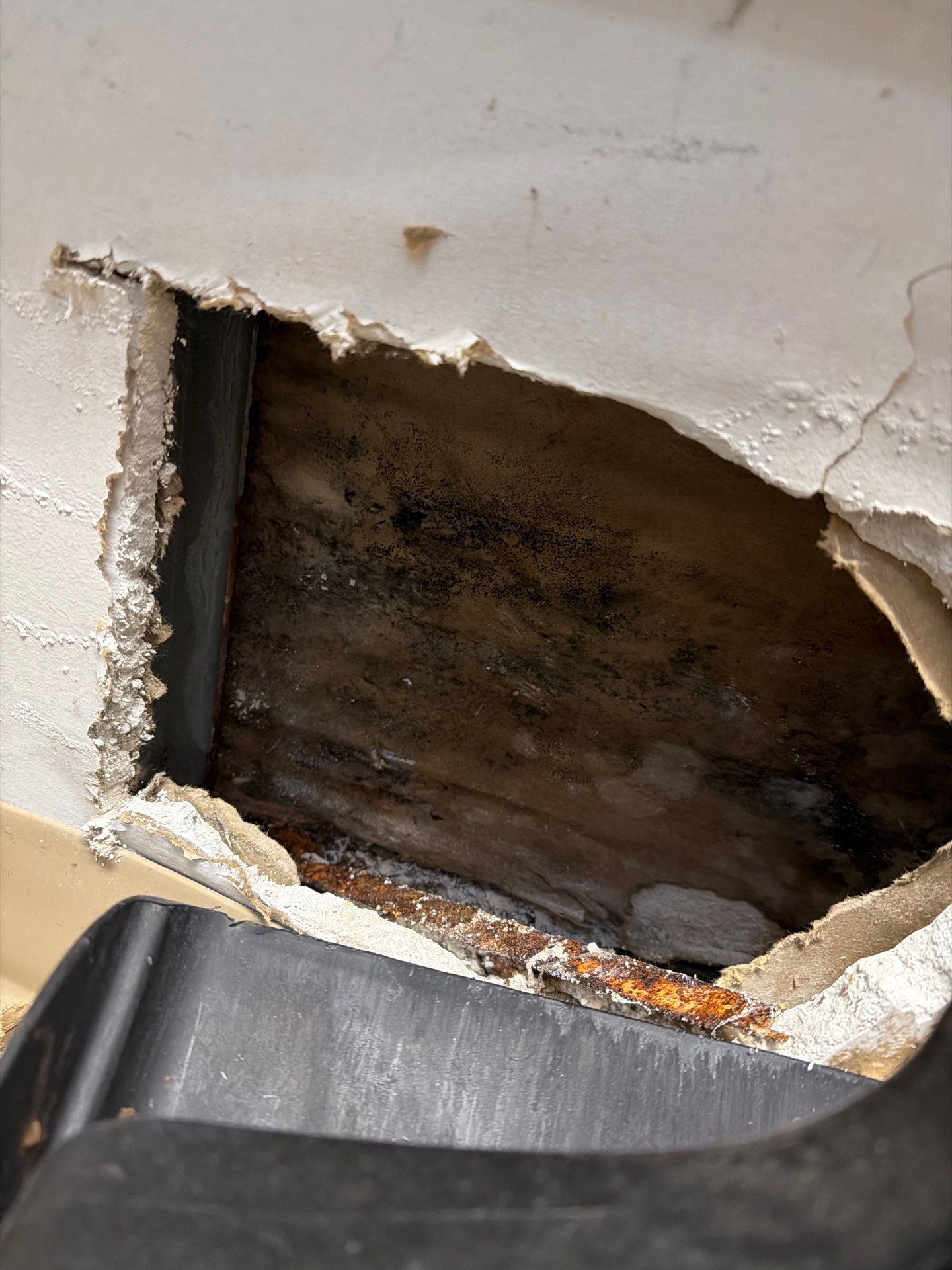
Typical Mold Remediation Cost Ranges in Eagle Trace
Here are the ballpark numbers most Eagle Trace homeowners see. These are realistic ranges, not guarantees.
- Small isolated spot (under 10 sq ft): $500 to $1,500
- Single room, limited drywall removal: $1,500 to $3,500
- Multiple rooms or HVAC involvement: $3,500 to $7,000
- Whole basement or attic remediation: $6,000 to $15,000
- Severe structural mold with rebuild: $15,000 and up
Most residential jobs land in the $2,000 to $6,000 zone. Anything quoted under $500 for visible growth probably skips containment or testing.
7 Factors That Drive Your Mold Remediation Price
- Square footage of affected area. Pricing usually runs $15 to $30 per square foot of containment zone, not just the visible patch.
- Type of mold. Common species cost less to remove. Stachybotrys and other toxigenic molds require stricter PPE and disposal.
- Location in the home. Crawl spaces, attics, and HVAC systems cost more due to access and air handler cleaning.
- Materials affected. Drywall and carpet are cheaper to remove than hardwood, plaster, or subfloor.
- Containment complexity. Single layer poly is standard. Negative air machines and decon chambers add cost on larger jobs.
- Cause of the moisture. If the source is unresolved, the mold returns. Plumbing repair or grading work is a separate line item.
- Post remediation testing. third party clearance testing runs $300 to $600 and protects you.
How to Lower Your Mold Remediation Cost Honestly
You can trim the bill without cutting corners that matter.
- Catch problems early. Small areas cost a fraction of full basements.
- Fix the moisture source before calling. No point remediating a wet wall.
- Move and protect belongings yourself to reduce content cleaning charges.
- Bundle remediation with related water damage repair when possible.
- Ask about itemized quotes and decline upsells that do not match the scope.
- Get the post test from an independent hygienist, not the remediator.
- Run a dehumidifier and improve ventilation while waiting for crews.
- Compare two or three written quotes side by side, line item to line item.
What Eagle Trace Water Restoration Does Differently
Our crews are IICRC S500 and S520 certified, which means we follow the same standards an insurance adjuster expects to see in documentation. We give you a written scope before work starts, separate the remediation phase from any rebuild, and welcome third party clearance testing.
- Free on site assessment in Eagle Trace, no obligation
- Written scope tied to square footage and materials
- Crew arrival in most cases within 2 hours for active water issues
- Direct billing to most major insurers
- Respectful crews who explain what they are doing and why
- Clear separation between remediation and rebuild line items
- Photo and moisture log documentation for your records
If the problem is small enough to handle yourself, we will say so. The goal is a dry, clean home, not the biggest invoice we can write.
Hidden Costs Most Homeowners Forget
The remediation itself is one bucket. These often come as separate phases.
- Drywall replacement and finishing after removal
- Paint, trim, and flooring rebuild
- Plumbing repair if a leak caused the mold
- enclosed wall spaces cleaning if spores spread through the system
- Insulation replacement in walls or attics
- Roof or window repair if water intrusion is ongoing
- Content cleaning for clothing, furniture, and soft goods
- Temporary lodging if a bedroom or kitchen is sealed off
If mold grew from a recent leak, address the source first. Our breakdown on mold after water damage covers the timing on this.
When DIY Makes Sense and When It Does Not
Not every patch of mold needs a professional crew. Use this quick filter.
- DIY is reasonable: Surface mold under 10 square feet on non porous surfaces like tile, glass, or sealed countertops.
- DIY is borderline: Small drywall spots from a known, fixed leak, if you have proper PPE and disposal bags.
- Call a pro: Any growth larger than 10 square feet, HVAC contamination, or visible mold on insulation or subfloor.
- Call a pro immediately: Black or dark green mold with a musty odor, anyone in the home with asthma or immune issues, or mold returning after a previous cleanup.
The wrong DIY job can spread spores through the entire home and make the eventual professional cost higher. When in doubt, get a free assessment first.
Timeline From Quote to Clearance
Most Eagle Trace homeowners want to know how long their home will feel disrupted. Here is a typical sequence.
- Day 1: on site assessment, moisture mapping, written scope
- Day 2 to 3: Containment built, negative air running, removal begins
- Day 3 to 5: HEPA cleaning, antimicrobial application, drying
- Day 5 to 7: third party clearance testing, results returned
- Week 2 and beyond: Rebuild phase if drywall or flooring was removed
Smaller jobs can wrap in two to three days. Larger basement or whole home jobs may run two weeks before rebuild even starts.
Red Flags in a Mold Quote
Watch for these warning signs when comparing estimates in Eagle Trace.
- Quote given over the phone without an inspection
- No mention of containment or air filtration
- Flat per room pricing regardless of size
- Pressure to sign same day or pay in full upfront
- No IICRC S520 certification listed
- Refusal to allow third party post testing
- Vague language like "mold treatment" instead of removal
- Quotes that bundle remediation and rebuild without separating the two
- No proof of liability insurance or worker's comp
Does Homeowners Insurance Pay for It?
Sometimes yes, often partially, occasionally no. Here is the quick framework.
- Usually covered: Mold from a sudden covered event like a burst pipe
- Sometimes covered: Mold riders or endorsements with $5,000 to $10,000 caps
- Rarely covered: Mold from long term humidity, condensation, or neglected leaks
- Almost never covered: Mold in flooded basements without flood insurance
Document everything with photos before remediation starts. The insurance claim process guide walks through what adjusters want to see.
Questions to Ask Your Adjuster
- Is there a mold sublimit or cap on this policy?
- Does the cause of loss qualify as sudden and accidental?
- Will testing and clearance be reimbursed?
- Is content cleaning included or a separate line?
- What documentation do you need from the remediator?
Cost Breakdown by Line Item
Here is roughly where the money goes on a typical $4,000 basement remediation.
- Labor and crew time: 45 to 55 percent
- Containment and PPE materials: 10 to 15 percent
- Equipment (air scrubbers, dehumidifiers): 10 to 15 percent
- Disposal and dump fees: 5 to 8 percent
- Testing and documentation: 5 to 10 percent
- Overhead and warranty: 8 to 12 percent
Labor is the biggest swing. A two person crew working two days on a basement looks very different from a four person crew handling a multi floor job for a week. Ask how many techs are assigned and how many days the scope assumes.
What a Proper Scope of Work Includes
A real quote should spell out each of these. If yours does not, ask why.
- Pre remediation assessment and moisture mapping
- Containment setup with poly sheeting and zipper doors
- Negative air pressure with HEPA-filtered air scrubbers
- Personal protective equipment for crew (Tyvek, respirators)
- Physical removal of porous contaminated materials
- HEPA vacuuming of all surfaces inside containment
- Antimicrobial application on remaining structure
- Bagged disposal under negative pressure
- Post remediation verification, ideally third party
Skipping any of these saves money short term and costs you long term. Reviewing the IICRC certification standards helps you understand why each step exists.